
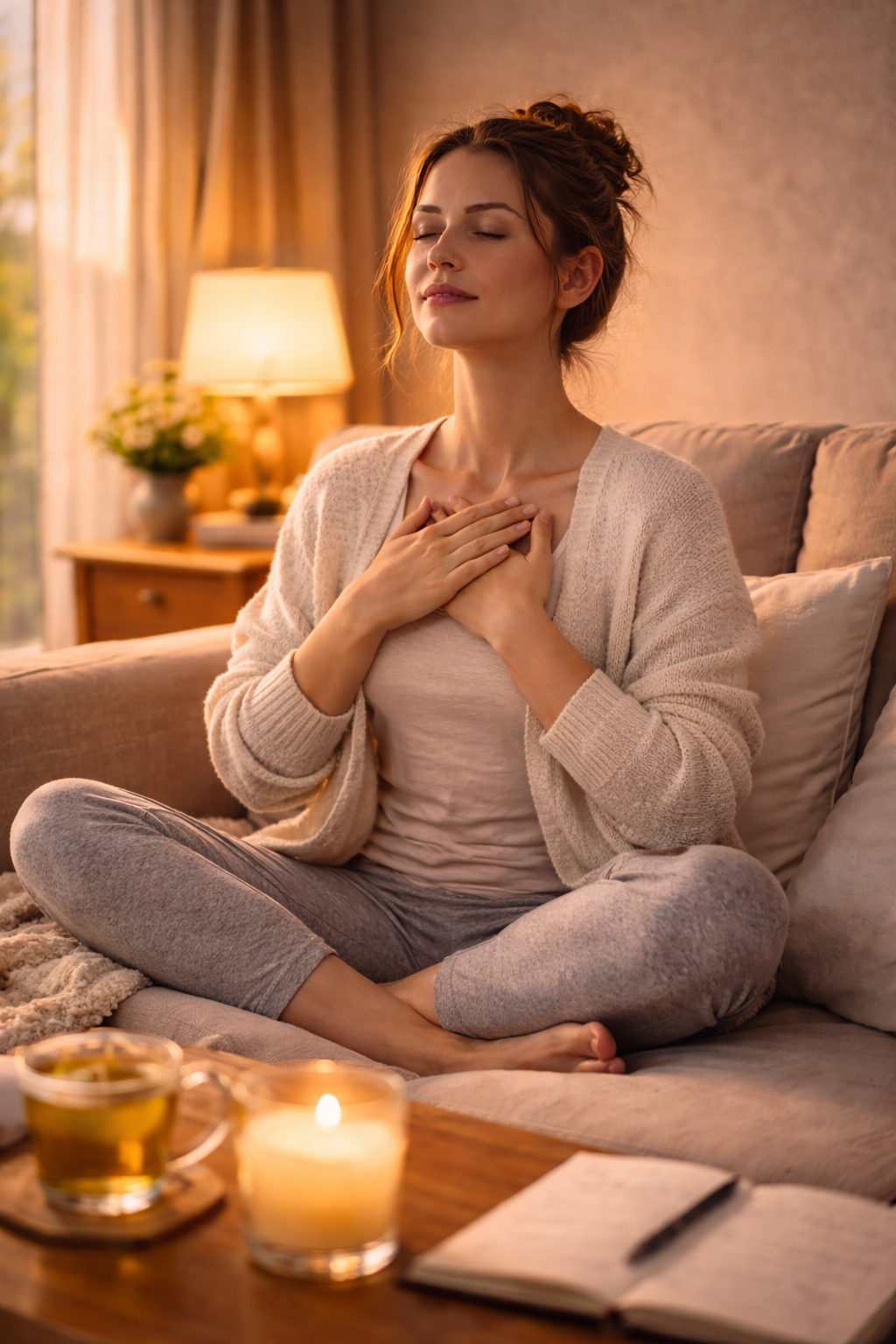
Anxiety has become increasingly common in modern life. Constant notifications, busy schedules, social pressure, and uncertainty about the future can leave your mind in a continuous state of alert.
While occasional anxiety is normal, persistent tension can interfere with your focus, sleep, relationships, and overall well-being.
The good news is that anxiety can often be reduced through simple, consistent daily habits. You don’t need extreme solutions. You need structure, awareness, and small intentional actions repeated over time.
Let’s explore practical ways to reduce anxiety naturally.
Understand What Anxiety Really Is
Anxiety is your body’s natural response to perceived threat. It activates your nervous system and prepares you for action.
However, in modern life, the “threat” is rarely physical. It might be:
- Work pressure
- Financial concerns
- Social comparison
- Overthinking about the future
- Fear of making mistakes
When your body stays in alert mode for too long, mental and physical exhaustion follow.
Learning to calm your nervous system is essential.
Regulate Your Breathing
Your breath directly influences your nervous system.
When you feel anxious, your breathing often becomes:
- Shallow
- Rapid
- Irregular
Practice this technique:
- Inhale slowly for 4 seconds
- Hold for 4 seconds
- Exhale slowly for 6 seconds
Repeat for 3–5 minutes.
Slow breathing signals safety to your brain and reduces the physical symptoms of anxiety.
Reduce Stimulation in Your Environment
An overloaded environment increases anxiety.
Consider:
- Limiting social media time
- Reducing constant news exposure
- Turning off non-essential notifications
- Creating quiet moments without screens
Mental clarity improves when your brain has fewer inputs to process.
Move Your Body Regularly
Physical movement is one of the most effective natural anxiety reducers.
Exercise helps:
- Release tension
- Balance stress hormones
- Improve mood
- Increase confidence
You don’t need intense workouts. A daily 20-minute walk can significantly lower anxiety levels.
Consistency is more important than intensity.
Improve Sleep Quality
Sleep deprivation increases anxiety sensitivity.
When you are tired:
- Small problems feel overwhelming
- Emotional reactions become stronger
- Negative thoughts intensify
Create a stable sleep routine:
- Go to bed at a consistent time
- Reduce screen exposure at night
- Avoid heavy meals before sleep
Rest strengthens emotional stability.
Challenge Catastrophic Thinking
Anxiety often grows from “what if” scenarios.
When anxious thoughts appear, ask:
- Is this thought based on facts or fear?
- What is the most realistic outcome?
- If the worst happens, how would I handle it?
Challenging exaggerated thinking reduces its power.
Focus on What You Can Control
Anxiety thrives on uncertainty.
Shift your focus to:
- Today’s tasks
- Your current responsibilities
- Small actions within your control
You cannot control everything. But you can control your response.
Small actions create momentum.
Build a Structured Daily Routine
Predictability reduces anxiety.
When your day has structure:
- You feel more prepared
- You waste less mental energy on decisions
- You reduce uncertainty
Simple routines for morning and evening create stability in your internal world.
Practice Grounding Techniques
When anxiety feels overwhelming, grounding exercises bring you back to the present moment.
Try this:
Name:
- 5 things you can see
- 4 things you can touch
- 3 things you can hear
- 2 things you can smell
- 1 thing you can taste
This shifts your focus from internal worry to external awareness.
Limit Caffeine and Stimulants
Excess caffeine can intensify:
- Rapid heartbeat
- Restlessness
- Nervousness
If you struggle with anxiety, monitor your caffeine intake and consider reducing it gradually.
Develop Self-Compassion
Many people increase anxiety through self-criticism.
Instead of thinking:
“I should be stronger.”
“I can’t handle this.”
Try:
“It’s okay to feel anxious sometimes.”
“I’m learning to manage this step by step.”
Self-compassion reduces internal pressure and supports emotional healing.
Build Long-Term Emotional Resilience
Reducing anxiety is not about eliminating all stress. It’s about strengthening your ability to handle it.
Long-term habits that build resilience include:
- Consistent sleep
- Regular movement
- Healthy boundaries
- Intentional reflection
- Meaningful relationships
Resilience grows slowly, but it grows reliably.
Small Daily Actions Create Calm
You don’t need a perfect life to feel calmer. You need intentional habits.
Start small:
- Practice breathing exercises
- Take short daily walks
- Reduce digital overload
- Sleep consistently
- Challenge anxious thoughts
Over time, these small actions re-train your nervous system.
Anxiety may not disappear completely — but your ability to manage it will improve significantly.
Calm is not the absence of challenges.
Calm is the ability to face them with balance.
And that balance is built one small habit at a time.